

Twenty years ago, I worked with a lady who spent most of her day eating (in between meals she did the accounting). I often wondered how she managed to stay so slim. Was it bulimia?
One day I happened to enter the toilet just after her and, to my horror, found the entire contents of her stomach in the bowl. I straightaway knew my work-mate was bulimic.
How did I know? I used to do it too.
I began to watch her behaviour at work:
- Food preparation
- Eat lots of food
- Rush for the toilet
- (Do some accounting)
- Repeat step 1-4
It wasn’t long before I felt compelled to say something because it was really bothering me. I couldn’t understand how a grown woman, apparently happily married with children, could do this?
One day, I locked her out of the toilets (hoping she’d stop vomiting) and then watched her drive away to a public toilet!
I couldn’t take it anymore.
When she came back, I said, “Claire, I know what you are doing.”
After some awkward moments, she admitted her secret. Claire was suffering with Bulimia Nervosa.
As it turned out, my workmate had spent many years living this way. It was so severe that she couldn’t bend over normally without her stomach automatically regurgitating the food. Sadly, she’d kept this secret to herself and believed she was a fool. I can still remember her talking about the way her parents had treated her as a child. She asked me whether I thought she needed help and I encouraged her to find it.
It wasn’t long before Claire and her family moved interstate and I no longer saw her, but I often wonder whether she did anything about her problem.
How do I know whether I have a problem with Bulimia?
Do you (or someone you know):
- Repeatedly eat large amounts of food within a relatively short time (say, two hours)
- Feel unable to stop eating even if you want to, and
- Engage in compensatory behaviours such as:
- Vomiting
- Laxatives, diuretics, enemas, weight control products, drugs
- Fasting and/or excessive exercise
- Binge and compensate at least once per week for three months.
Perhaps you (or someone you know) are stuck in this awful cycle of out-of-control eating and compensatory behaviour. Thoughts around eating (or not eating), weight loss, and body image are an obsession. You probably feel ashamed, guilty and disgusted with yourself and what has happened. It’s more than likely you want this nightmare to end, but can’t do it.
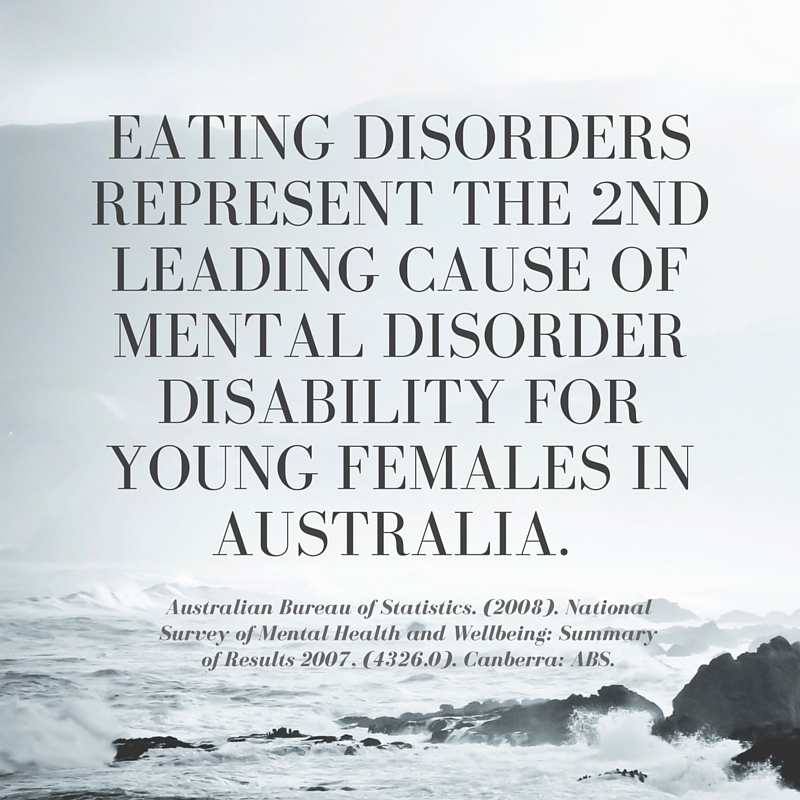
How has it happened?
Reasons vary individually, for example: social pressure to be thin, unresolved issues or abuse from the past, or self-hate. People with Bulimia don’t plan to be like this. Like my workmate, Bulimia can go undetected for a long time.
Can I (or the person I know) recover?
Yes, you can! If you feel stuck in this horrible cycle, then do something about it. Don’t wait until you feel more “in control”. There is nothing to be ashamed of – there are probably some very good reasons why you’ve been doing this for so long. Make a decision today to get some help with this difficult and private matter.
References:
American Psychiatric Association. (2013). Diagnostic and Statistical Manual of Mental Disorders (5th Ed.). Washington, D.C.: American Psychiatric Association.
Benner, D. G., & Hill, P. C. (1999). Baker Encyclopedia of Psychology & Counselling (2nd Ed.). Michigan. Baker Books.
